

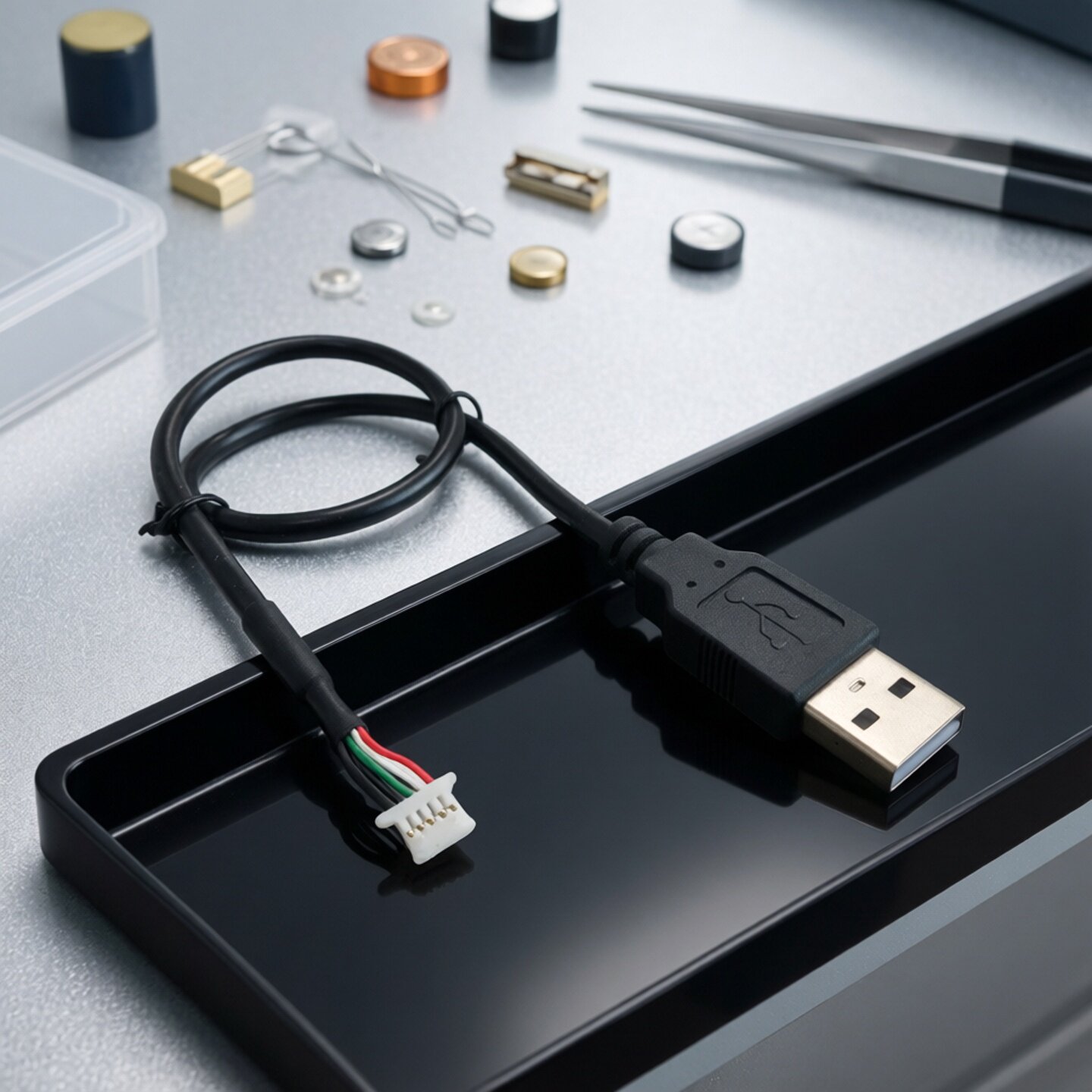
In an era of rapid technological turnover, USB4 and Thunderbolt 4 have reached staggering transmission speeds of 40Gbps or even 80Gbps. Yet, the USB 2.0 standard—released in 2000 with a modest peak rate of 480Mbps—remains ubiquitous more than two decades later. From high-end flagship PCs to dollar-store electronic toys, USB 2.0 is everywhere.why USB 2.0 remains an “immortal” pillar of the tech industry.
1.Unbeatable Cost-Efficiency
Cost is the primary driver of business decisions. USB 2.0 offers financial advantages at every stage of the supply chain:
- Zero Licensing & Royalties: As an extremely mature standard, the patent walls for USB 2.0 have long since crumbled. Manufacturers can implement it without paying hefty licensing fees.
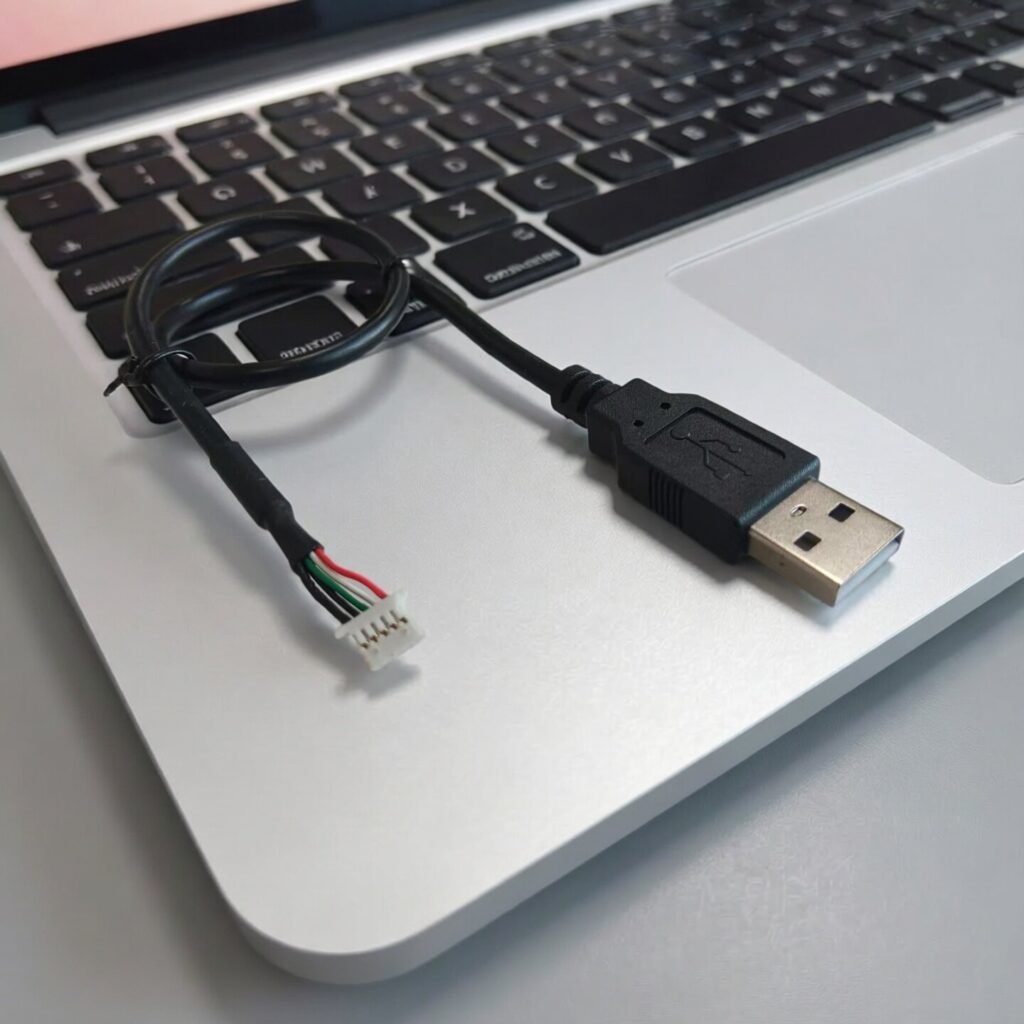
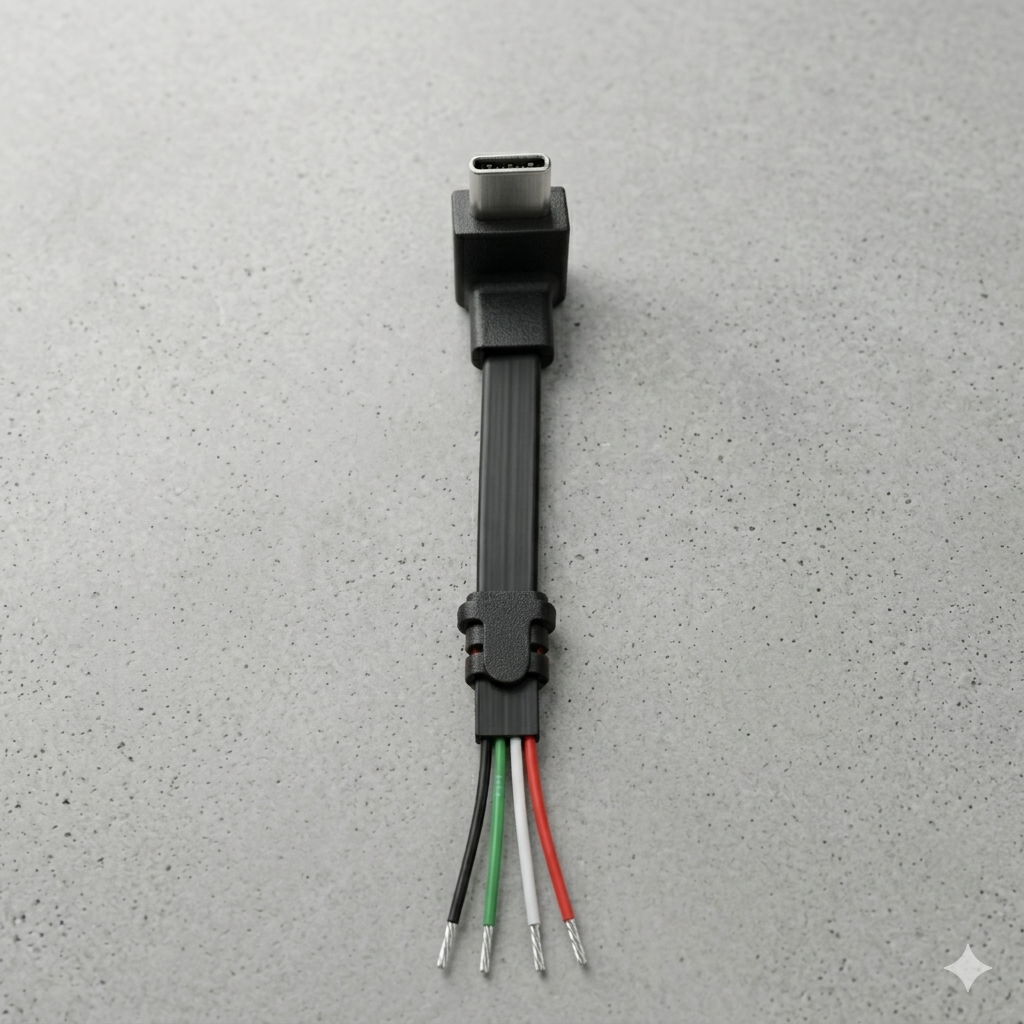
- Low Implementation Cost: A USB 2.0 connection requires only four wires (VCC, GND, D+, D-). Its controller circuitry is simple and occupies minimal silicon area. In contrast, USB 3.x and above require more shielding, differential pairs, and complex Physical Layer (PHY) control circuits.
- Minimal Manufacturing Requirements: USB 2.0 has very low requirements for PCB materials, connector quality, and cable shielding. This allows low-end manufacturers to produce reliable components at scale and for pennies.
2.The “Performance Surplus” Reality
Not every device needs to move gigabytes of data in seconds. For many peripherals, the 480Mbps bandwidth of USB 2.0 is not just sufficient—it is a “performance surplus”:
- HID (Human Interface Devices): Mice, keyboards, and game controllers transmit tiny amounts of data—essentially just coordinates and key states. USB 2.0 handles this with ease.
- Audio Equipment: Most Hi-Fi audio streaming, even at 24-bit/192kHz, requires bandwidth far below the theoretical limit of USB 2.0.
- Microcontroller (MCU) Debugging: Development boards like Arduino and ESP32 are used primarily for flashing code and serial debugging. For these tasks, stability and compatibility far outweigh raw speed.
3.Power and Thermal Advantages
Higher speed inevitably leads to higher power consumption. USB 3.0+ standards generate significant heat during operation, which poses a major challenge for miniature, battery-powered devices.
- Standby Efficiency: USB 2.0 features simple link management. Its sleep and wake mechanisms are incredibly power-efficient.
- Simplified Thermal Design: Because it consumes so little power, devices using USB 2.0 rarely need extra heat dissipation or complex Power Management ICs (PMICs), allowing for more compact product designs.
4.The “Moat” of Compatibility and Stability
USB 2.0 offers near-perfect “it just works” compatibility.
- Universal OS Support: From Windows XP to Windows 11, and from the Linux kernel to various RTOS (Real-Time Operating Systems), USB 2.0 has the most mature driver support in existence.
- EMI Resilience: Because it operates at lower frequencies, USB 2.0 is less sensitive to Electromagnetic Interference (EMI) than USB 3.0. A well-known issue is that USB 3.0 operation can create noise that interferes with 2.4GHz wireless signals (like Wi-Fi and wireless mouse receivers). Switching to a USB 2.0 port instantly resolves this interference.
5.Evolution of Physical Form Factors
USB 2.0 is no longer tied strictly to the old, bulky Type-A port.
Modern USB Type-C connectors may look identical on the outside, but the underlying protocols are layered. Many Type-C smartphones, power banks, and small gadgets actually utilize the USB 2.0 protocol internally. By adopting the Type-C “skin,” USB 2.0 has seamlessly integrated into the modern hardware ecosystem. For devices that only need charging or minor configuration data, the Type-C + USB 2.0 combo provides the perfect balance of modern aesthetics and low cost.
USB 2.0 hasn’t been phased out because it has evolved from a “high-speed technology” into a fundamental infrastructure.
It has reached a pinnacle of balance between cost, power, complexity, and compatibility. For the foreseeable future, as long as we need keyboards, mice, and simple sensors, USB 2.0 will continue to serve as the essential “capillaries” of the electronic world.
Let’s connect or visit our technical catalog:
🌐 www.lyd123.com
📧 nick.xu@lyd123.com